Basecamp Dinner Ideas
Explore menu directions for a shared evening meal in light of the site, group, equipment, and applicable rules.
Backcountry & adventure dining
From a basecamp supper idea to a multi-day menu conversation, BCS can help explore how the landscape, the group, and the resources that are actually available could shape a remote culinary experience. The first step is a practical review of access, water, refrigeration, sanitation, equipment, weather, and local rules—not an assumption that a normal kitchen exists outdoors.
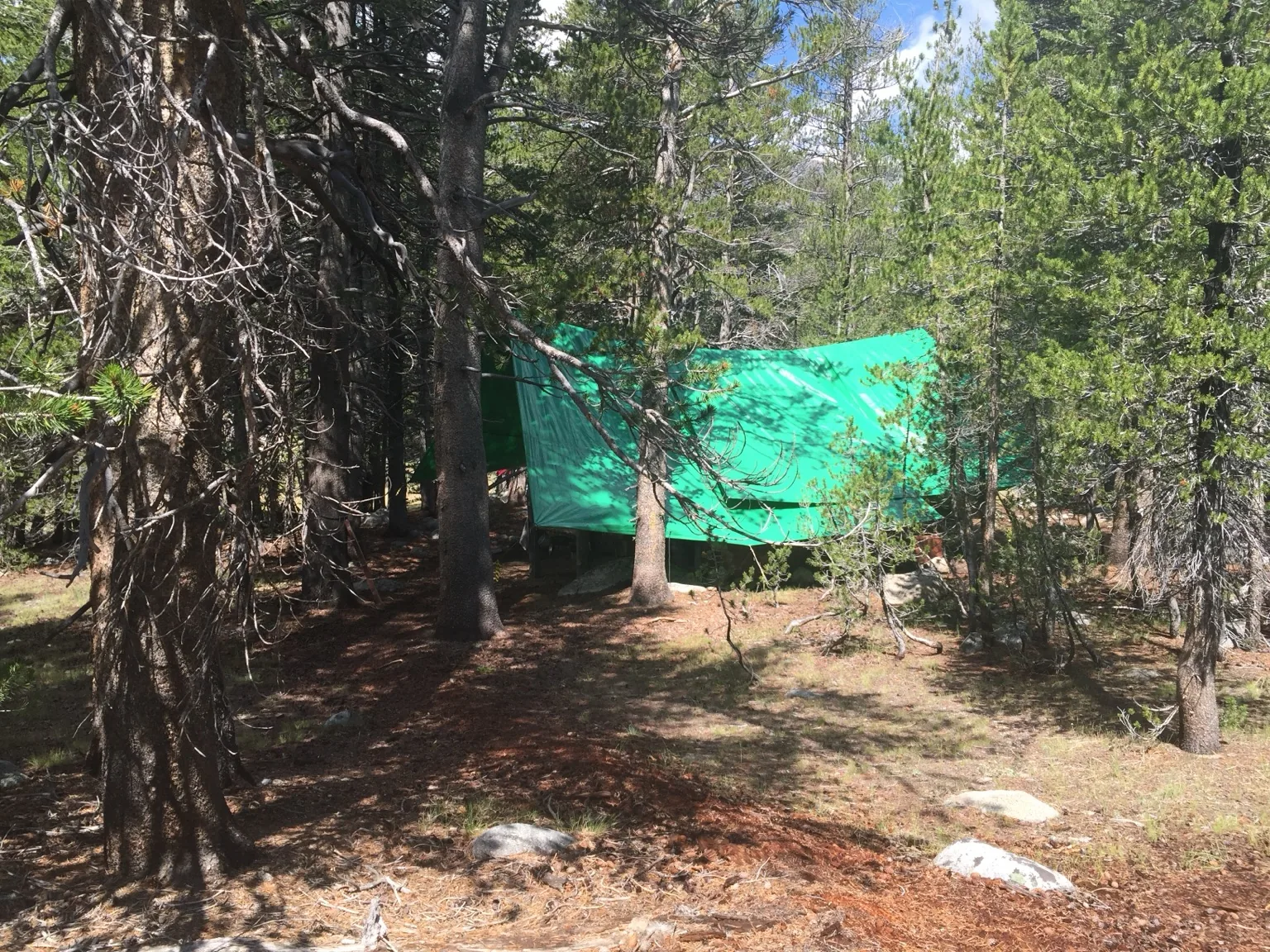
A kitchen wherever the experience takes you
Remote culinary planning begins with field logistics. The conversation needs to account for how ingredients could arrive, where they could stay cold, what can be cleaned, how fuel and power work, and when the group would actually eat.
BCS uses those questions to explore whether an idea is realistic before any proposal is considered. A cabin with a refrigerator, a vehicle-supported camp, and a pack-in location are three different planning contexts—and should be treated that way.
Possible experience shapes
These are discussion prompts, not published packages, service promises, or guarantees. Any proposal would follow only after the location, logistics, operating authority, and feasibility are confirmed.
Explore menu directions for a shared evening meal in light of the site, group, equipment, and applicable rules.
Discuss a shared-meal concept and whether live-fire ideas fit the location, season, restrictions, and equipment.
Explore morning-menu directions for a camp, cabin, trailhead, or post-adventure gathering.
Consider how meal ideas might fit the trip schedule, group, access, storage, water, and equipment.
Explore a menu concept connected to the day outdoors while identifying the logistical questions a later proposal would need to resolve.
Explore a coherent culinary direction for a longer stay and document the facilities, logistics, and regulatory questions requiring confirmation.
Planning before departure
Backcountry meals begin with a practical conversation about the route, group, equipment, storage, water access, and desired experience. BCS can help explore culinary directions and identify what would need to be confirmed before a proposal is developed. This planning conversation does not represent food preparation, packaging, stocking, preservation, transportation, or wild-game processing as an available service.
Explore menu directions in relation to the route, group, trip schedule, dietary needs, and desired experience.
Discuss the cooler, pantry, water, power, fuel, and workspace the trip is expected to have.
Identify how a menu concept relates to available storage, temperature control, reheating equipment, and site limitations.
Explore lightweight menu directions in relation to the route, trip duration, water access, equipment, and desired experience.
Discuss menu ideas for lawfully possessed game without offering to receive, handle, fabricate, package, transport, or process it.
Wild-game discussion on this page is limited to menu ideas for lawfully possessed game. BCS is not offering through this page to receive, handle, fabricate, package, transport, or process game. Any later proposal would require separate written feasibility and regulatory confirmation.
Planning for the journey
The planning conversation considers travel time, storage, water, sanitation, equipment, fire restrictions, and the group’s meal schedule. It does not confirm that BCS will prepare, package, stock, transport, preserve, or process food.
The meal still matters
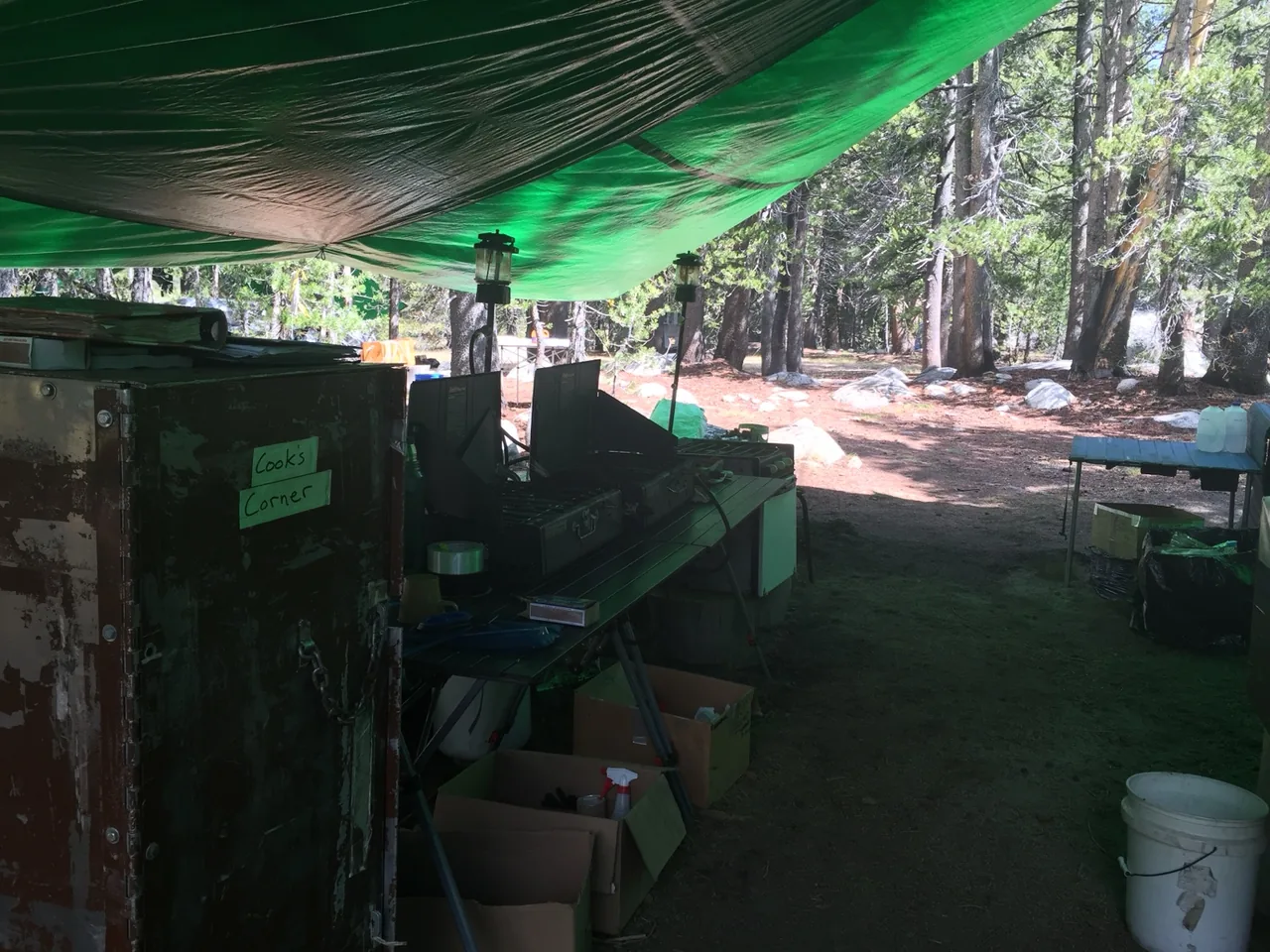
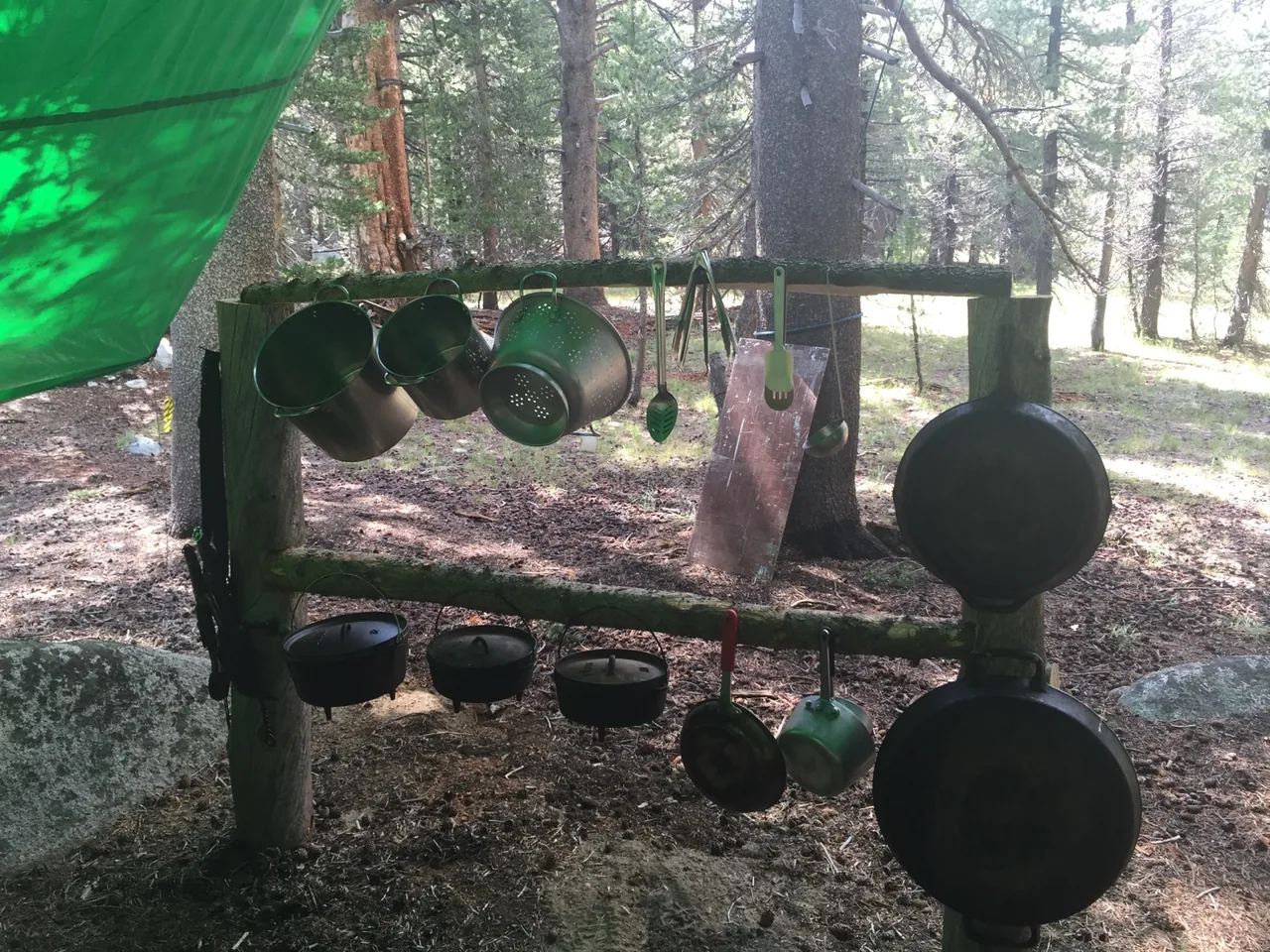
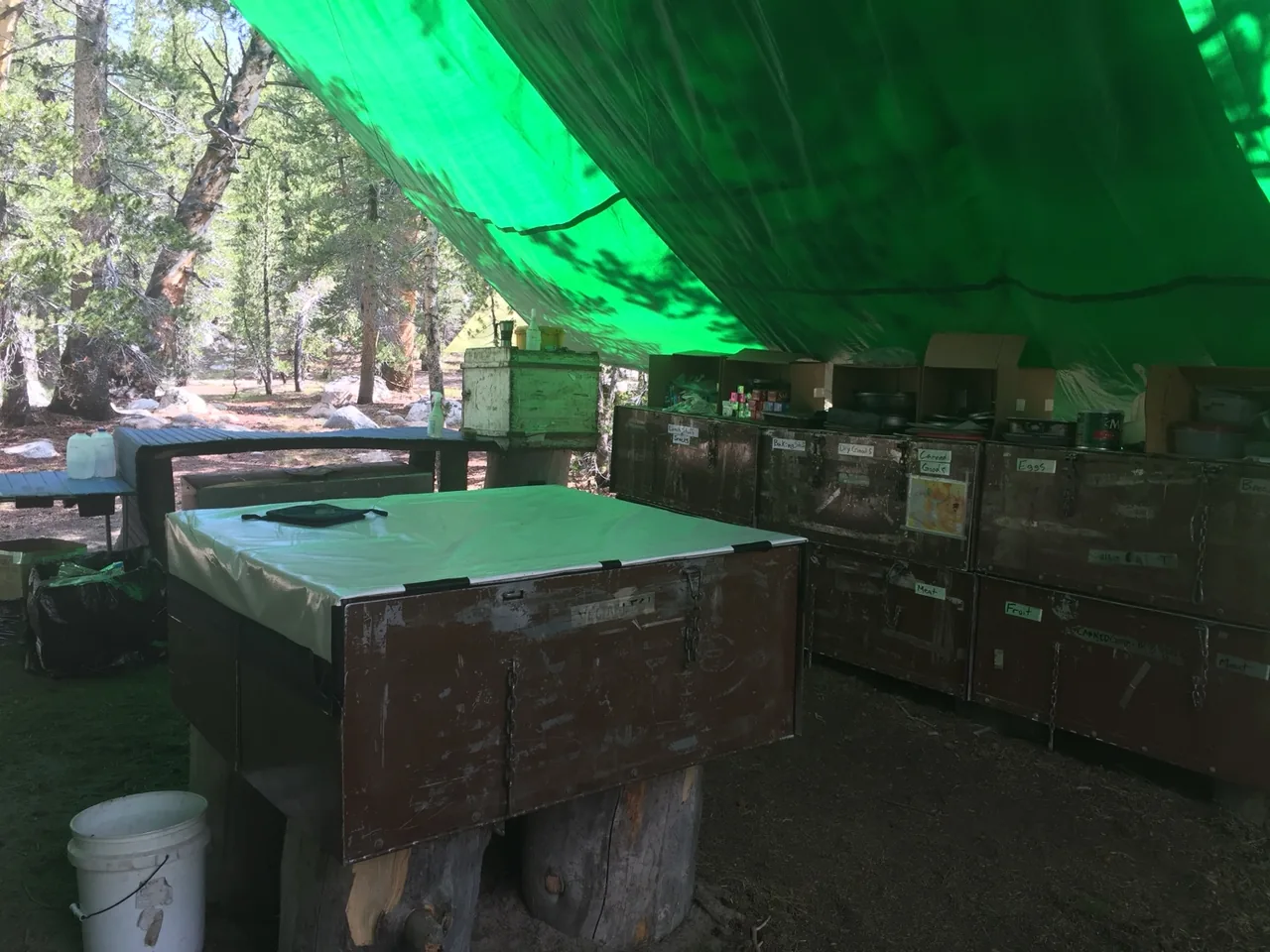
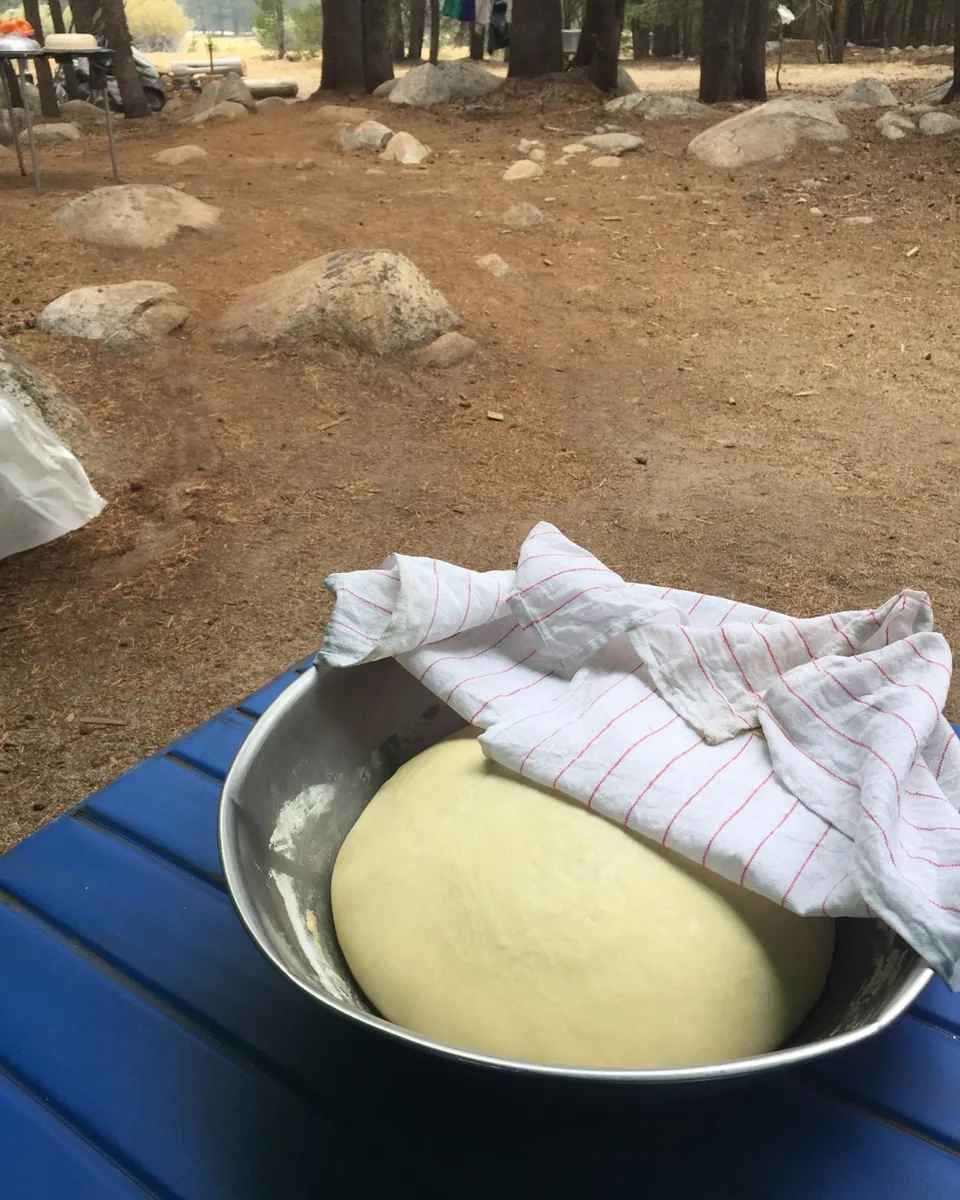
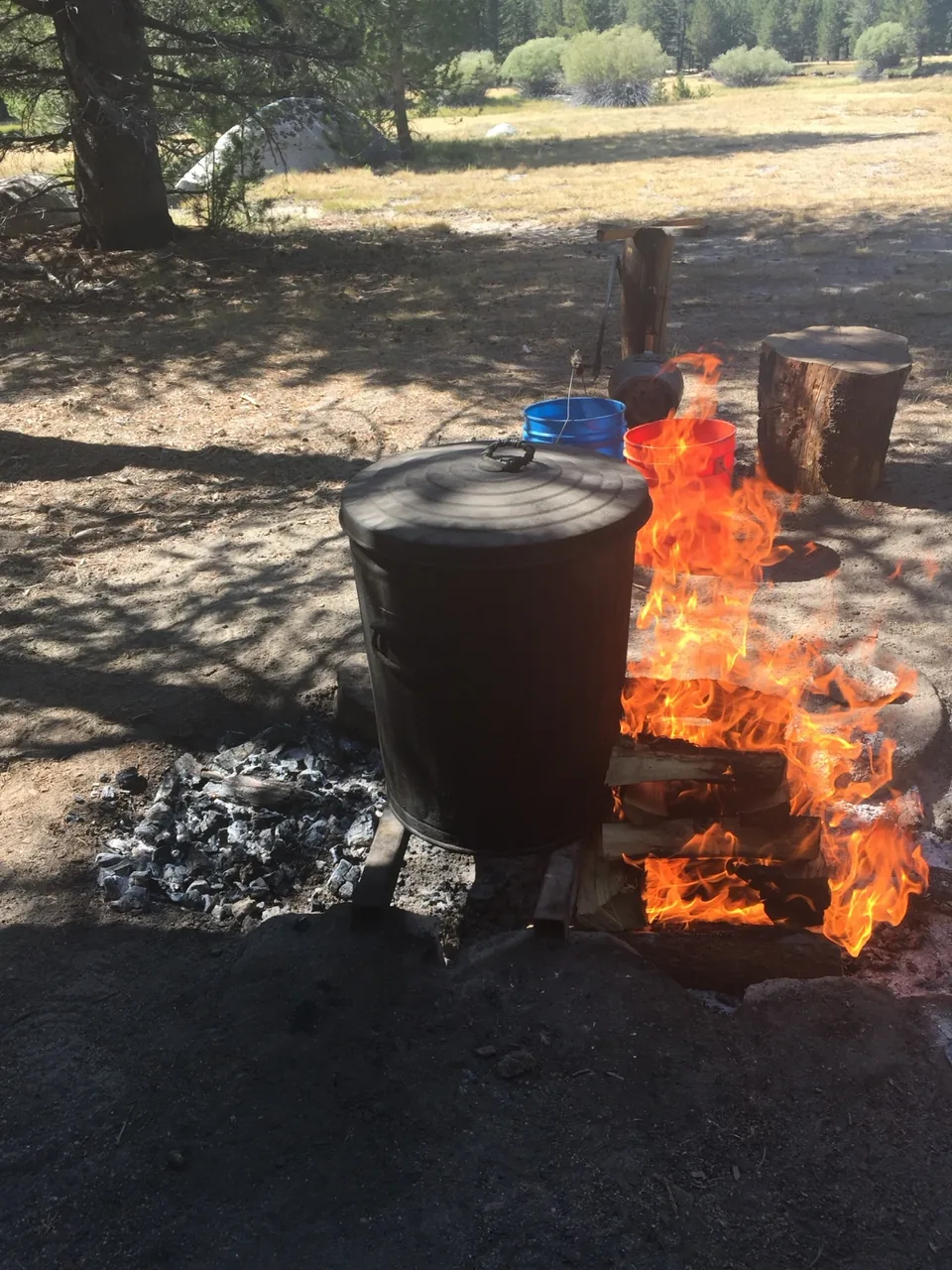
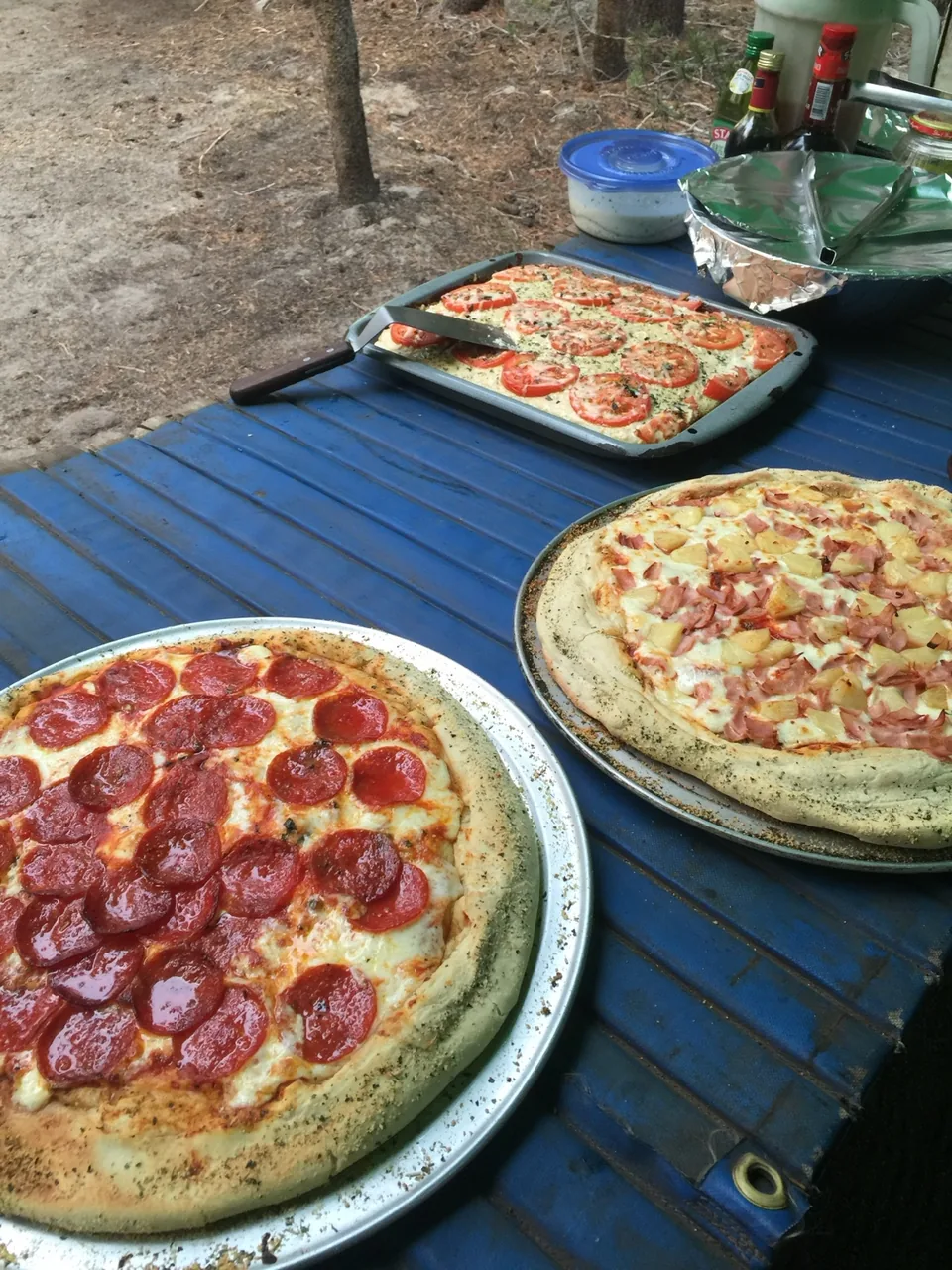
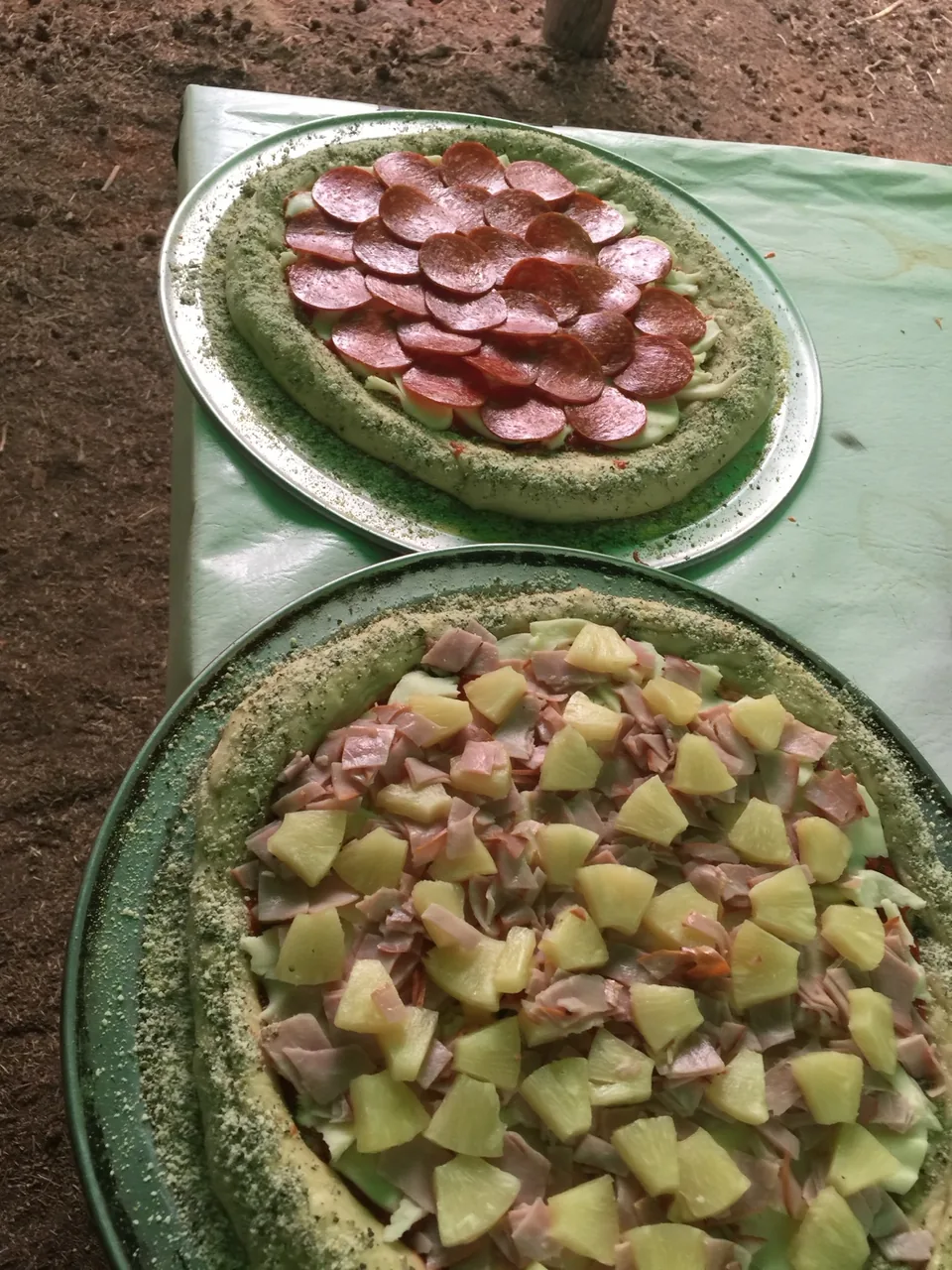
These documentary images show scratch-made camp food from Jason’s working culinary history. They are evidence of resourcefulness and care—not a fixed menu, identical presentation, or promise that every site can support the same method.
Experience behind the planning
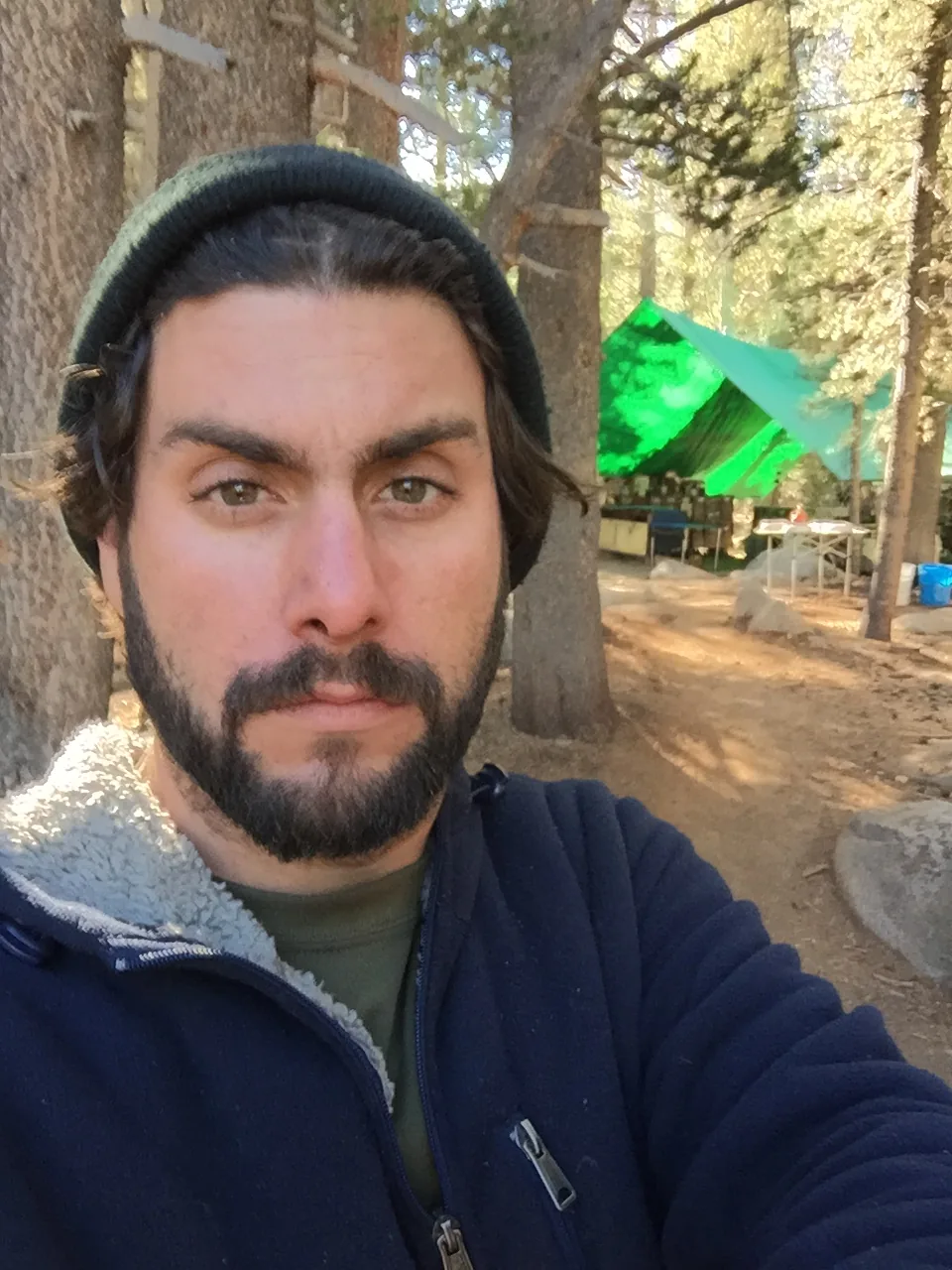
Jason’s professional path includes camp food-service leadership and National Park Service backcountry cooking in Yosemite. Working with limited resources made planning, organization, sanitation, and adaptability inseparable from the food itself.
That background informs the questions BCS asks during an initial conversation: what is the access plan, what equipment exists, where could food be held, and what logistical or regulatory issues would need to be confirmed before a proposal is considered?
Read Jason’s story →Before a proposal
Tell BCS about the route, group, setting, and menu ideas you want to explore. This request starts a planning conversation only.
Request a Backcountry Planning Conversation →